AI (Artificial Intelligence)April 1, 20261 min read
Sarvam AI, our go to tool for Indian language tasks
Published: April 1, 2026
Last updated: 2026-05-27
AI (Artificial Intelligence)Sarvam AIAIAI Caption Tool
Published: April 1, 2026
Last updated: 2026-05-27
Keep Reading
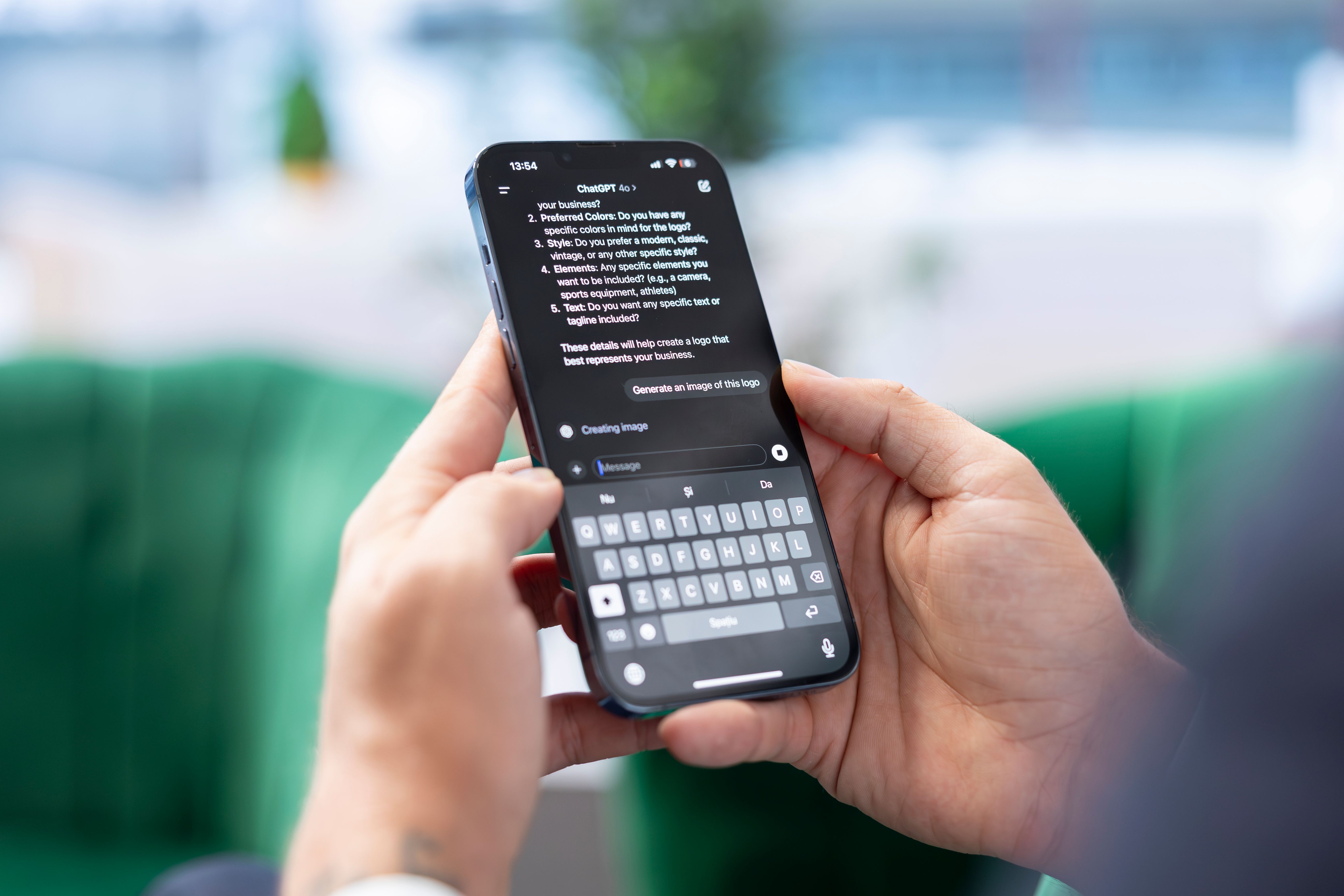
ChatGPT is getting ads in India. Not someday. This week. Rather day after tomorrow on September 4th! OpenAI switched on advertising for Indian users on its Free plan and the ₹399/month Go plan. If you're on Plus, Pro, Business, Enterprise, or Education, you won't see a thing. Ads are reserved for the free and low-cost tiers, the same playbook every ad-supported product runs. Here's the part that actually matters for us as marketers: on Thursday, September 4, OpenAI opens self-serve access to ChatGPT Ads Manager in India, with daily budgets starting as low as ₹725, yet costlier than meta or google ads so to say, Because in Meta you can start the ads as low as ₹100. That's not agency-only, enterprise-gated advertising. That's a small pickle brand, a local coaching institute, or a two-person D2C startup logging in and running a campaign the same afternoon. For context on scale: ChatGPT had over 330 million (around 33 crores) monthly users in India as of May 2026, making it one of OpenAI's biggest markets globally. WPP and Omnicom are already onboard as launch agency partners, and more than 50 brands are live this week. But the self-serve door on the 4th is what opens this up to businesses our size. A few things worth knowing before you jump in: Ads sit below responses: clearly labelled and visually separate, not blended into ChatGPT's actual answers. Advertisers don't get your customers' chat history or personal data: You get aggregate metrics, impressions, clicks; nothing more. No ads near sensitive topics: health, mental health, and politics are off-limits. No targeting minors: No ads shown to anyone flagged as under 18. What makes this genuinely different from Meta or Google ads is the intent signal. Someone searching Instagram is browsing. Someone asking ChatGPT "best pickle brands for gifting" or "affordable branding agency near me" is actively trying to solve a problem, right at the moment your ad could answer it. We're already digging into this for a few of our clients, especially the ones selling considered, research-heavy products where "someone asking AI for a recommendation" is exactly their buyer. BrandMen Studio is testing this first, so you don't have to We'll be among the first agencies in Andhra Pradesh experimenting with ChatGPT Ads once self-serve opens. If you want to be early to a channel before it gets crowded and expensive, talk to us at hi@brandmen.io or visit brandmen.io.

Bain and Company just published findings that reveal a surprising split inside modern businesses. Artificial intelligence is racing through departments like marketing and back office operations. But the sales floor has barely felt the shift. Productivity tools for writing, design, and data analysis have exploded across every industry. Yet the actual work of selling, building relationships, reading a room, and closing deals has stayed stubbornly human. The Gap Is Wider Than Most Leaders Realize Companies are pouring money into AI pilots across the organization. Email drafting, image generation, and customer support chatbots all hum along on machine learning now. But when a prospect needs convincing, the tech often fades into the background. Why does this happen? Sales depends on trust. Trust is built through tone, timing, and visual presence. An automated message, no matter how clever, still feels automated. Buyers can sense it immediately. The sales frontier remains untouched not because the tools are missing. It is because buying is an emotional act. No algorithm has cracked genuine human persuasion. Your Brand Is the Real AI Powered Sales Engine The businesses winning right now are not replacing their sales teams with bots. They are equipping them with sharper brand tools, cleaner websites, and smarter content pipelines that do the heavy lifting before a call ever happens. Think of your brand identity as the pre-sale engine. When a lead lands on a site that looks credible, loads fast, and speaks clearly, half the convincing is already done. Your sales team walks into warmer conversations with prospects who already trust you. That is where a creative and development partner earns its keep. A refined logo, a persuasive landing page, and a seamless user journey accomplish something no AI sales agent can. They make a stranger feel understood before a single word is exchanged. At BrandMen Studio, we see this pattern every day. Founders arrive with a strong product but a digital presence that quietly undercuts their sales calls. The fix is rarely more automation. It is better storytelling, tighter design, and a site built to convert on arrival. The Bain research points to this truth indirectly. Sales stays human because connection cannot be automated. Brands that invest in that emotional layer, through intentional design and clear messaging, will pull ahead while competitors chase the next AI plugin. Practical next step: audit your website as if you were a first-time visitor holding a budget. Does it earn your trust in three seconds flat? If the answer is no, you have a branding and design problem, not a sales problem.