How AI Is Turning Social Feeds Into a Hundred Billion Dollar Storefront

Published: June 25, 2026
Last updated: 2026-05-27

Published: June 25, 2026
Last updated: 2026-05-27
Keep Reading

From 1 January 2027, the government is tightening how online shops and marketplaces treat customers. These are not “tech rules.” They are about honesty in price, search, ads, and complaints. If you sell on Amazon, Flipkart, Meesho or even your own website, or any app, this affects you. 1. Discounts must be real If you write “Was ₹2,000, now ₹999”, you must also show the lowest price you actually sold it at in the last 30 days. You cannot first jack the price up for a week and then call it a “50% off.” Customers should see a genuine comparison. For you: Keep a simple record of your last 30 days’ selling price. Don’t invent a fake “original price.” 2. Paid listings must look like ads If a product is showing on top because someone paid for it, it must be clearly marked as sponsored / advertised. Customers should know: “This is paid placement, not the best match.” For you: If you pay for visibility, that is fine. Just don’t hide it. 3. Search results cannot be twisted The platform cannot push products just to make more money if that makes the search useless for the buyer. If someone searches “cotton shirt under 500,” they should mostly see relevant shirts, not random paid items. For you: Good products and honest listings still matter. Gaming the system will get harder. 4. Dark patterns are not allowed These are small tricks that push the customer to buy without thinking: Hidden extra charges that appear only at the last step Pre-ticked boxes for extra membership “Only 2 left!” when that is not true Difficult cancellation or return process Platforms must check themselves every year and put up a certificate that they are not using such tricks. For you: Keep checkout simple. Show all charges early. Don’t trap the buyer. 5. Complaints must be handled properly The platform must join the National Consumer Helpline system. They must acknowledge a complaint in 48 hours. They must try to close it in one month. The customer should get a copy of what was recorded. For you: Reply quickly. Keep proof of dispatch, quality, and conversation. A delayed or rude reply will now travel further. 6. More information on the product page Buyers should easily see: Return and refund policy Warranty Delivery time Payment options Best-before date (if food/medicine etc.) For imported goods: who imported it and which country it came from For you: Fill these fields honestly. Empty or wrong details will create more returns and complaints. 7. No surprise extra fees Marketplaces cannot quietly add charges for things that have nothing to do with the order (except genuine membership/loyalty programmes that the customer clearly chose). For you: If you are a seller, check what the platform is adding at checkout. Customers will blame you first. What should a small businessman do now? (simple checklist) Don’t fake discounts. Use your real last-30-days price. Write clear product details — size, material, return policy, origin. Answer messages and complaints fast. Keep screenshots. Avoid tricks — no hidden charges, no fake “hurry up” messages. If you use a marketplace, ask them how they will show “prior price” and sponsored tags. You will have to follow their format. If you have your own website/app, start changing the pages before December 2026. January 2027 is the deadline, not the starting date. These rules are meant to protect the buyer. For an honest seller, they are actually helpful: fewer fake competitors, fewer fights after sale, more trust. You do not need a lawyer or software expert to start. You need clean prices, clear information, and quick replies. Source: https://consumeraffairs.gov.in/public/upload/files/E%20Commerce%20Amendment%20Rules%202026_1789127949.pdf

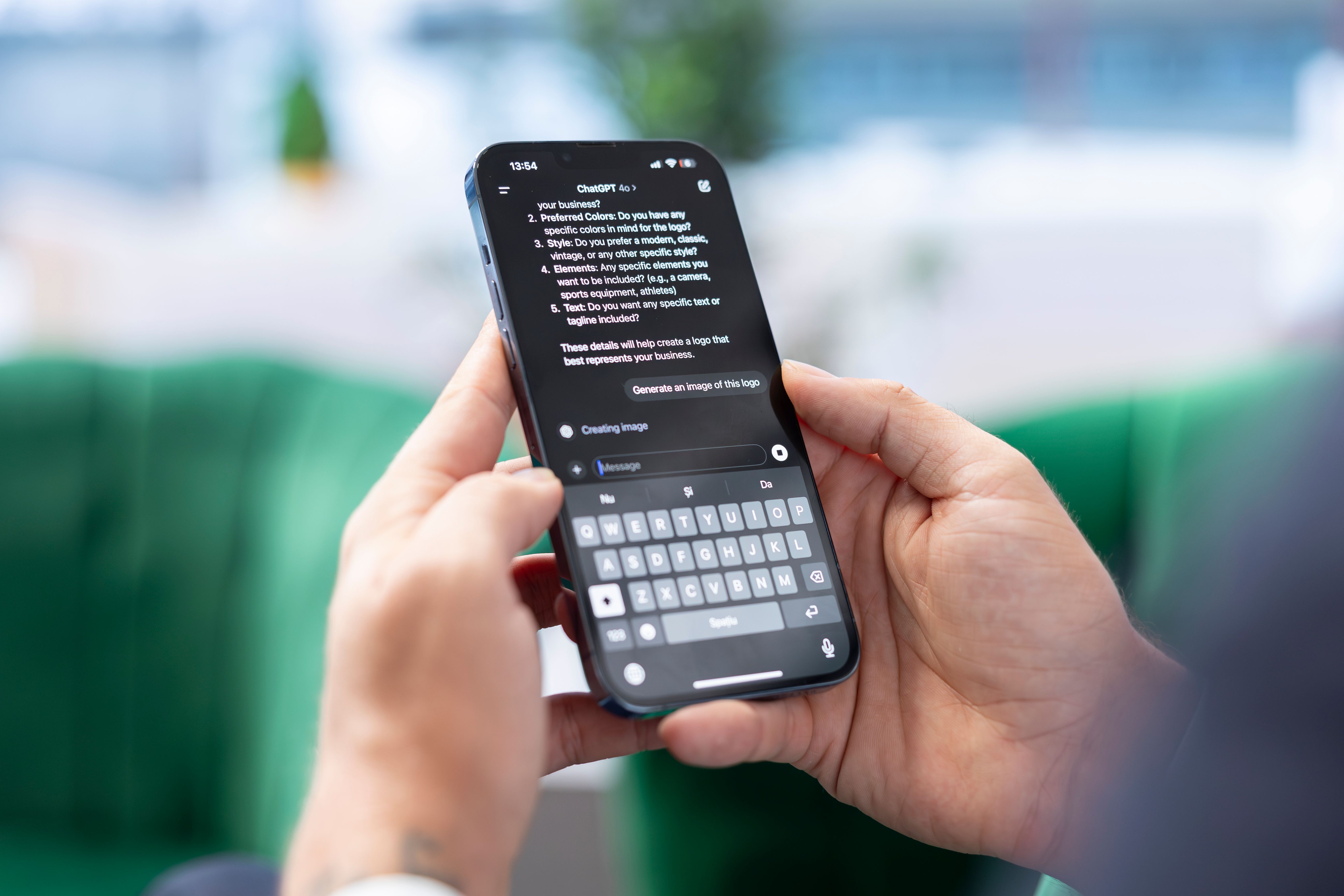
ChatGPT is getting ads in India. Not someday. This week. Rather day after tomorrow on September 4th! OpenAI switched on advertising for Indian users on its Free plan and the ₹399/month Go plan. If you're on Plus, Pro, Business, Enterprise, or Education, you won't see a thing. Ads are reserved for the free and low-cost tiers, the same playbook every ad-supported product runs. Here's the part that actually matters for us as marketers: on Thursday, September 4, OpenAI opens self-serve access to ChatGPT Ads Manager in India, with daily budgets starting as low as ₹725, yet costlier than meta or google ads so to say, Because in Meta you can start the ads as low as ₹100. That's not agency-only, enterprise-gated advertising. That's a small pickle brand, a local coaching institute, or a two-person D2C startup logging in and running a campaign the same afternoon. For context on scale: ChatGPT had over 330 million (around 33 crores) monthly users in India as of May 2026, making it one of OpenAI's biggest markets globally. WPP and Omnicom are already onboard as launch agency partners, and more than 50 brands are live this week. But the self-serve door on the 4th is what opens this up to businesses our size. A few things worth knowing before you jump in: Ads sit below responses: clearly labelled and visually separate, not blended into ChatGPT's actual answers. Advertisers don't get your customers' chat history or personal data: You get aggregate metrics, impressions, clicks; nothing more. No ads near sensitive topics: health, mental health, and politics are off-limits. No targeting minors: No ads shown to anyone flagged as under 18. What makes this genuinely different from Meta or Google ads is the intent signal. Someone searching Instagram is browsing. Someone asking ChatGPT "best pickle brands for gifting" or "affordable branding agency near me" is actively trying to solve a problem, right at the moment your ad could answer it. We're already digging into this for a few of our clients, especially the ones selling considered, research-heavy products where "someone asking AI for a recommendation" is exactly their buyer. BrandMen Studio is testing this first, so you don't have to We'll be among the first agencies in Andhra Pradesh experimenting with ChatGPT Ads once self-serve opens. If you want to be early to a channel before it gets crowded and expensive, talk to us at hi@brandmen.io or visit brandmen.io.