The Complete Guide to React Frameworks and Libraries in 2026

React has evolved from a simple UI library into a vast ecosystem of frameworks and tools that power modern web applications.
Whether you are building a startup MVP or scaling an enterprise platform, choosing the right React framework can make or break your project.
This guide explores the most important React frameworks and libraries, their use cases, popularity, and when to use each one.

Understanding the React Ecosystem
Before diving into specific frameworks, it is essential to understand that React itself is a library for building user interfaces.
The frameworks built on top of React add critical features like routing, server-side rendering, static site generation, and build optimization.
These frameworks solve real problems that development teams face when scaling React applications.
1. Next.js: The Industry Standard
Next.js has become the de facto standard for React development, backed by Vercel and adopted by companies like Netflix, TikTok, Twitch, and Uber.
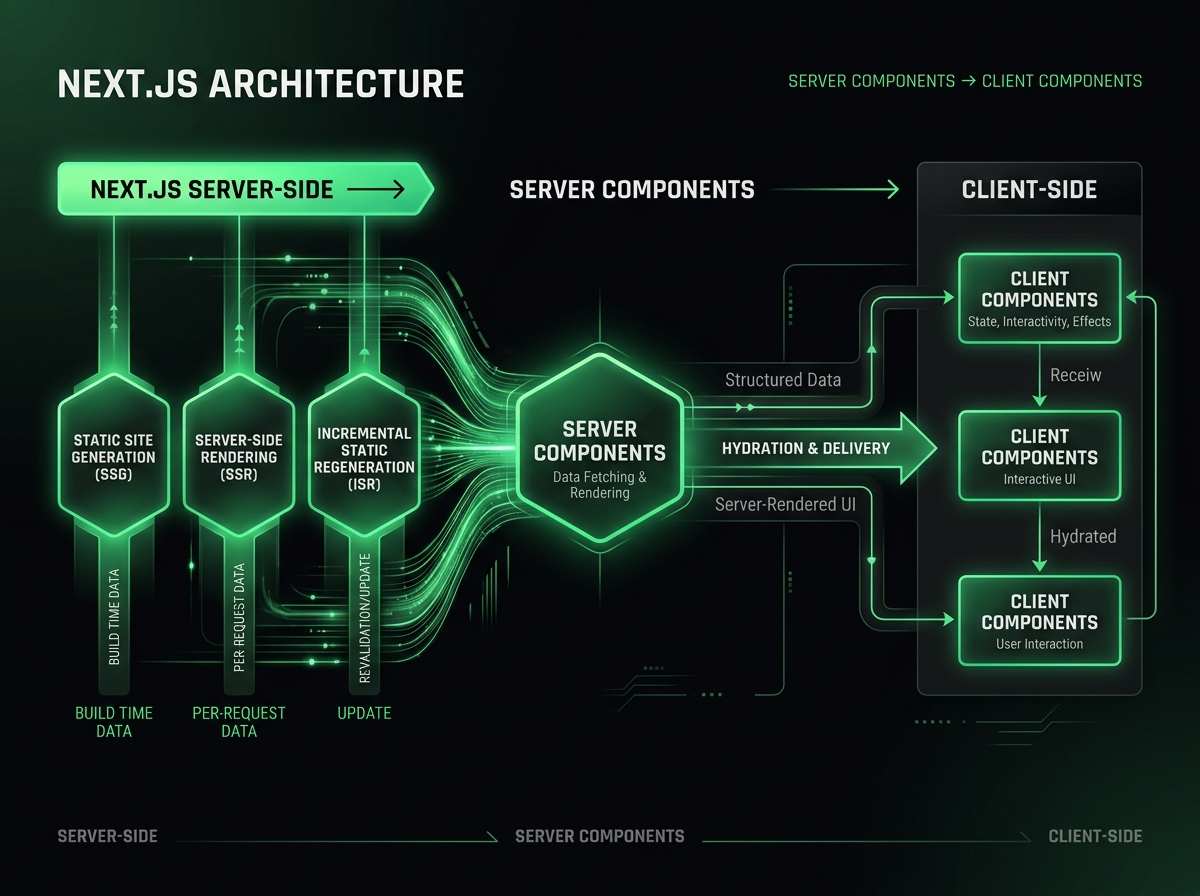
It offers a hybrid approach that supports static site generation (SSG), server-side rendering (SSR), and client-side rendering (CSR) all in one framework.
Key Features
- App Router with React Server Components: The latest architecture pattern that reduces JavaScript bundle sizes and improves performance
- Built-in Image Optimization: Automatic image compression and lazy loading
- API Routes: Create backend endpoints within your Next.js application
- Edge Runtime Support: Deploy functions closer to users for reduced latency
- Incremental Static Regeneration: Update static pages without rebuilding the entire site
Popularity and Adoption
Next.js dominates the React framework space with over 120,000 GitHub stars and millions of weekly npm downloads.
The framework powers everything from personal blogs to enterprise e-commerce platforms. Its versatility makes it suitable for nearly any project type.
When to Use Next.js
- SEO-critical applications like blogs, marketing sites, and e-commerce stores
- Applications requiring both static and dynamic content
- Projects that need server-side rendering for performance
- Teams wanting a full-featured framework with minimal configuration
Why BrandMen Studio Recommends It
For agencies building client websites, Next.js offers the perfect balance of performance, SEO capabilities, and developer experience.
The framework's built-in optimizations mean faster load times and better Core Web Vitals scores, which directly impact search rankings and user engagement. Also the official website of BrandMen Studio, brandmen.io, is also built with Next.js.
2. Remix: The Web Fundamentals Framework
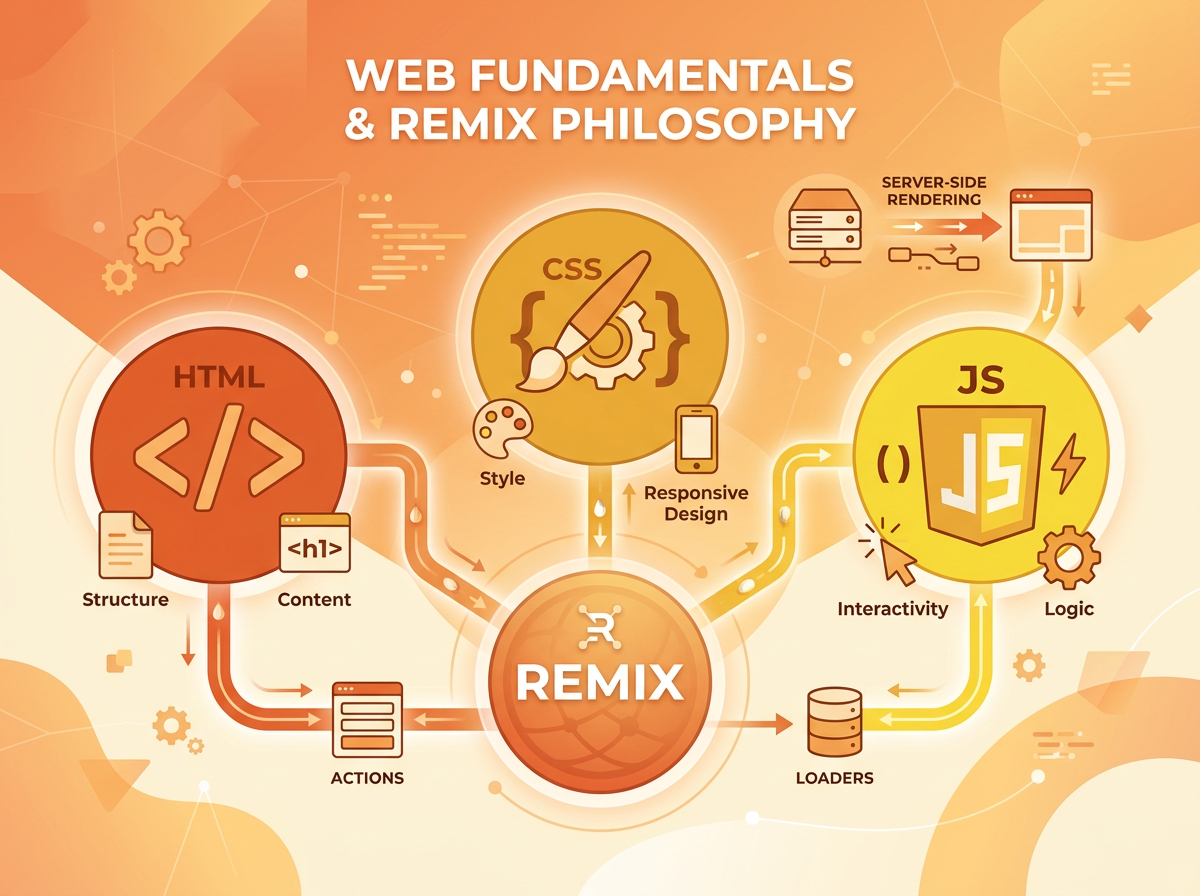
Remix takes a fundamentally different approach than Next.js by focusing on web standards and progressive enhancement.
Created by the developers behind React Router, Remix emphasizes using platform features rather than reinventing them.
Key Features
- Nested Routing: Powerful routing system that matches UI hierarchies
- Form-based Mutations: Uses standard HTML forms with progressive enhancement
- Error Boundaries: Granular error handling at the route level
- Optimistic UI: Built-in patterns for instant user feedback
- Edge-first Architecture: Designed to run on edge networks like Cloudflare Workers
Popularity and Adoption
While newer than Next.js, Remix has gained significant traction with over 27,000 GitHub stars. Companies like NASA, Shopify, and Discord use Remix for specific projects where web fundamentals matter most.
When to Use Remix
- Applications with complex nested layouts and routing
- Projects prioritizing web standards and progressive enhancement
- Teams that want excellent form handling out of the box
- Applications deployed to edge networks
The Remix Advantage
Remix's approach results in applications that work even when JavaScript fails to load. For businesses concerned about accessibility and global reach across varying network conditions, this resilience is invaluable.
Gatsby: The Static Site Champion
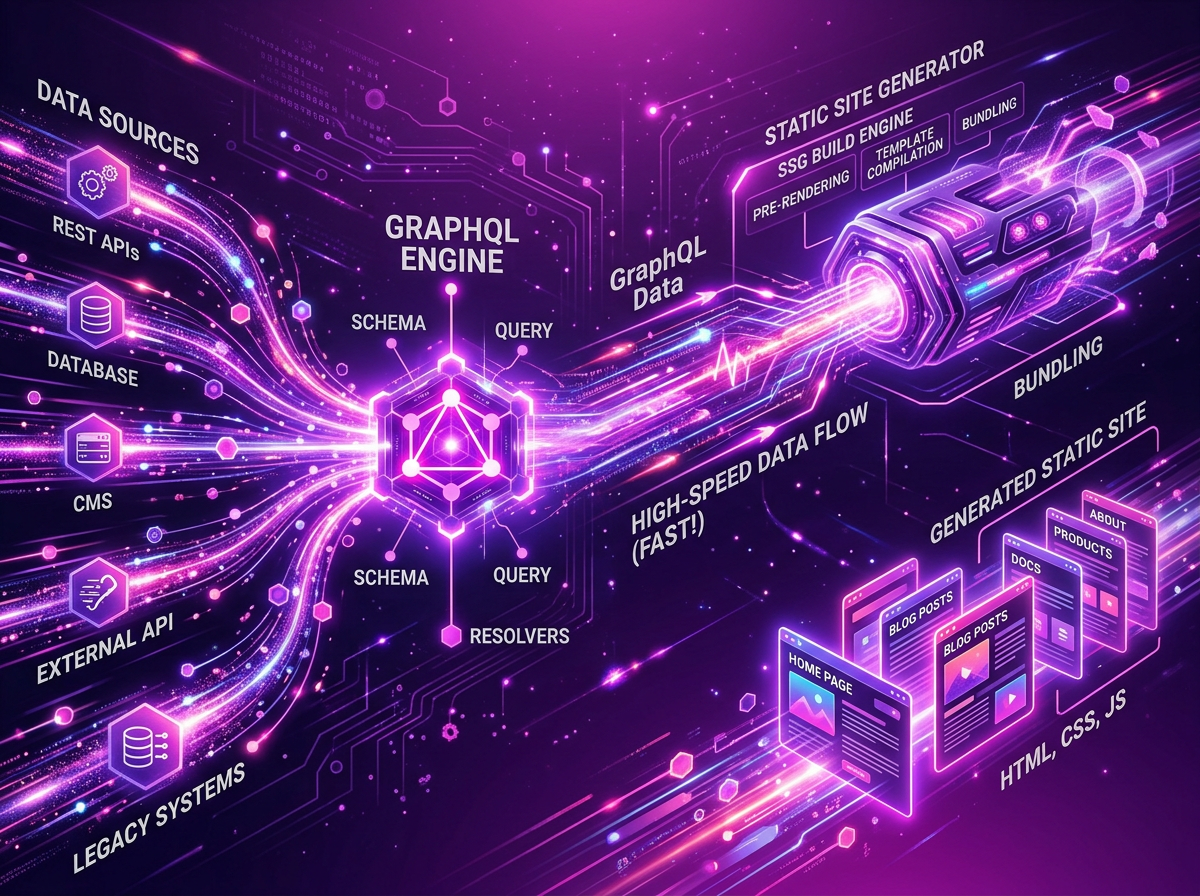
Gatsby pioneered the static site generation approach for React, building on GraphQL for data management. It excels at creating blazingly fast websites by pre-rendering pages at build time.
Key Features
- GraphQL Data Layer: Unified interface for pulling data from any source
- Rich Plugin Ecosystem: Over 2,500 plugins for extending functionality
- Image Processing: Advanced image optimization at build time
- Progressive Web App Support: Built-in PWA capabilities
- Incremental Builds: Only rebuild changed pages
Popularity and Adoption
Gatsby has over 55,000 GitHub stars and powers thousands of websites. Companies like Airbnb, Figma, and PayPal have used Gatsby for their marketing sites and documentation.
When to Use Gatsby
- Content-heavy sites like blogs, documentation, and portfolios
- Marketing websites that rarely change
- Projects with data from multiple sources (CMS, APIs, markdown files)
- Sites prioritizing extreme performance and SEO
Considerations
Gatsby's build times can become problematic for sites with thousands of pages. The framework also has a steeper learning curve due to its GraphQL requirement.
Vite + React: The Modern Developer Experience
While not a full framework like Next.js or Remix, Vite has revolutionized React development with near-instant hot module replacement and lightning-fast builds.
Many developers now choose Vite as their build tool, combining it with libraries like React Router for routing.

Key Features
- Instant Server Start: Development server starts in milliseconds
- Lightning-Fast HMR: See changes reflected instantly without full page reloads
- Optimized Build: Production builds use Rollup for optimal bundling
- Framework Agnostic: Works with React, Vue, Svelte, and others
- Plugin Ecosystem: Extensible through Rollup-compatible plugins
Popularity and Adoption
Vite has exploded in popularity with over 65,000 GitHub stars. Major frameworks like Nuxt 3 and SvelteKit have adopted Vite as their underlying build tool.
When to Use Vite
- Single-page applications without SSR requirements
- Projects prioritizing developer experience
- Teams building internal tools or dashboards
- Applications where client-side rendering is acceptable
The Development Speed Advantage
For agencies like BrandMen Studio building multiple projects simultaneously, Vite's speed improvements add up to significant time savings across the development cycle.
Create React App: The Legacy Standard
Create React App (CRA) was once the official way to start React projects, providing zero-configuration setup. However, it has largely been superseded by more modern alternatives.

Current Status
The React team no longer actively recommends CRA for new projects. While millions of existing applications use CRA, new projects should consider alternatives like Vite or Next.js.
When CRA Still Makes Sense
- Learning React fundamentals without framework complexity
- Maintaining existing CRA applications
- Quick prototypes or proof-of-concepts
Why Agencies Are Moving Away
Build performance, lack of modern features, and infrequent updates have led most professional teams to adopt alternatives. The developer experience and production optimizations of modern tools far exceed what CRA offers.
Astro: The Content-First Framework
Astro takes a unique approach by shipping zero JavaScript by default, only hydrating interactive components when needed. While not React-exclusive, it offers excellent React integration for content-focused sites.

Key Features
- Island Architecture: Only interactive components ship JavaScript
- Framework Agnostic: Use React, Vue, Svelte, or vanilla JS together
- Content Collections: Type-safe content management
- Built-in Performance: Automatically optimized for speed
- Markdown and MDX Support: First-class content authoring experience
Popularity and Adoption
Astro has gained rapid adoption with over 43,000 GitHub stars. It is particularly popular for documentation sites, blogs, and marketing pages.
When to Use Astro
- Content-heavy sites prioritizing performance
- Marketing websites with occasional interactive components
- Projects where minimal JavaScript is crucial
- Sites built from markdown or MDX content
Essential React Libraries
Beyond full frameworks, several libraries are essential for professional React development.
State Management
- Redux Toolkit The official, opinionated Redux toolset that simplifies state management. Best for large applications with complex state logic.
- Zustand A minimal, fast state management solution that has gained massive popularity for its simplicity and performance.
- Jotai and Recoil Atomic state management libraries that provide fine-grained reactivity without prop drilling.

UI Component Libraries
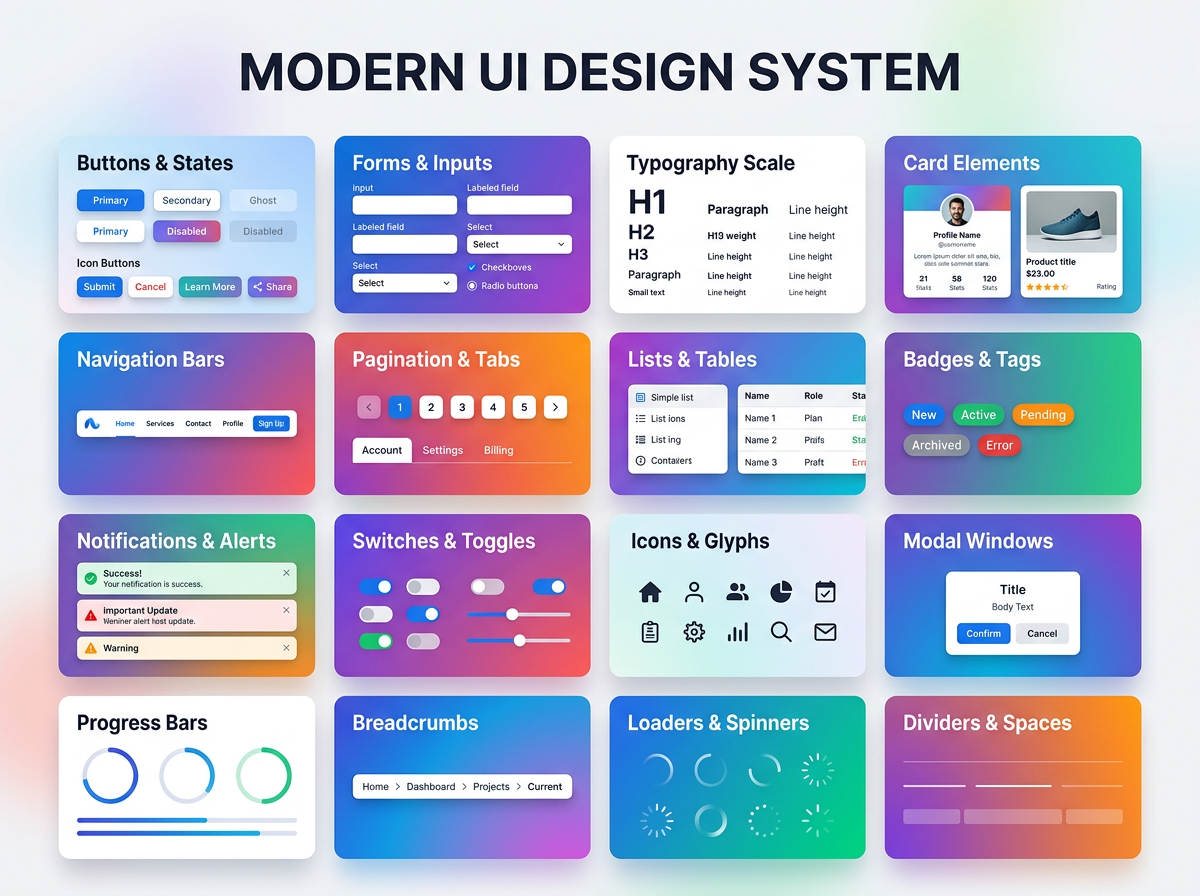
- Material-UI (MUI) The most popular React UI framework with over 90,000 GitHub stars. Implements Google's Material Design with extensive customization options.
- Chakra UI A simple, modular component library focused on accessibility and developer experience.
- shadcn/ui A collection of re-usable components built with Radix UI and Tailwind CSS. Unlike traditional libraries, you copy components directly into your project for full control.
- Ant Design Enterprise-grade UI library with comprehensive components for complex business applications.
Form Management
- React Hook Form The performance-focused form library with minimal re-renders and excellent TypeScript support.
- Formik Battle-tested form management with robust validation support, though heavier than React Hook Form.
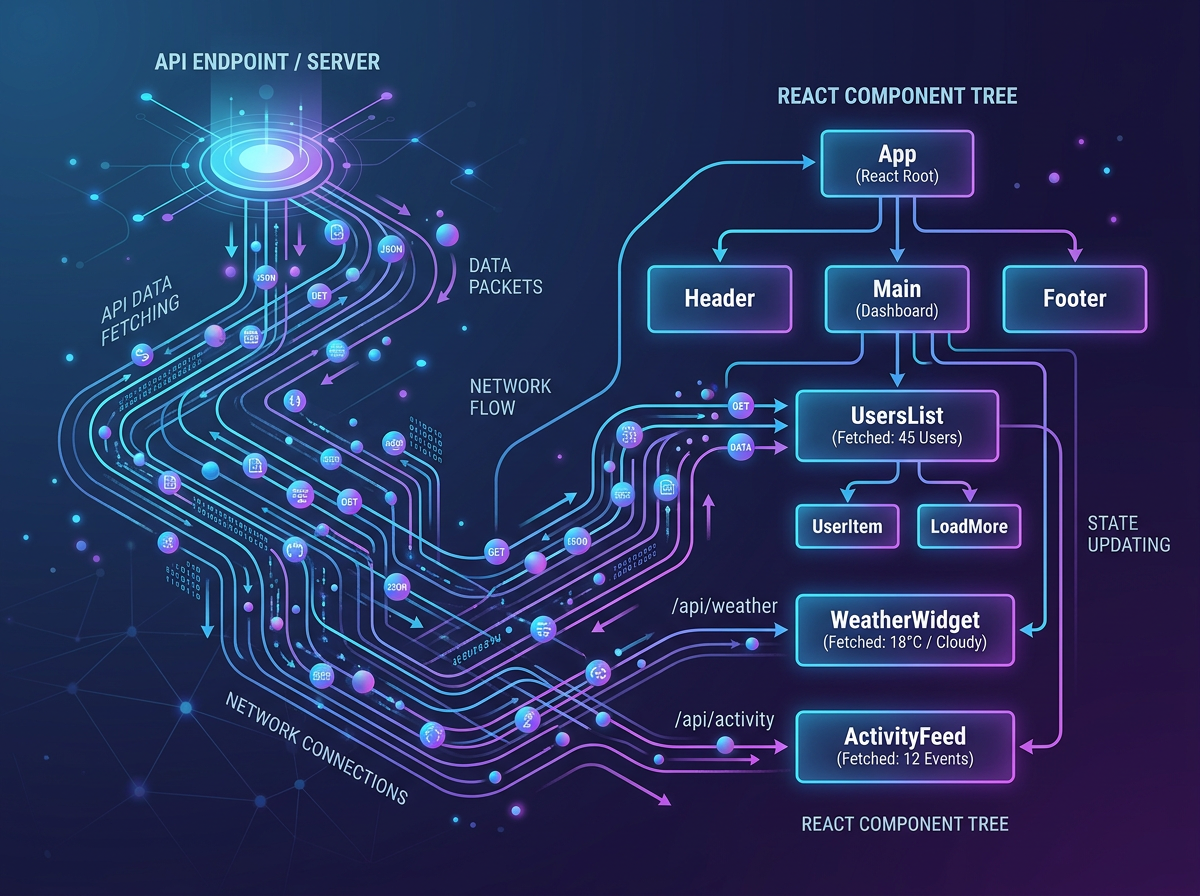
Data Fetching
- TanStack Query (React Query) The industry standard for server state management, caching, and synchronization. Essential for applications consuming APIs.
- SWR Vercel's data fetching library focused on stale-while-revalidate patterns.
Animation Libraries
- Framer Motion Production-ready animation library with simple API and powerful features. Used by companies like Stripe and GitHub.
- React Spring Physics-based animation library for fluid, natural motion.
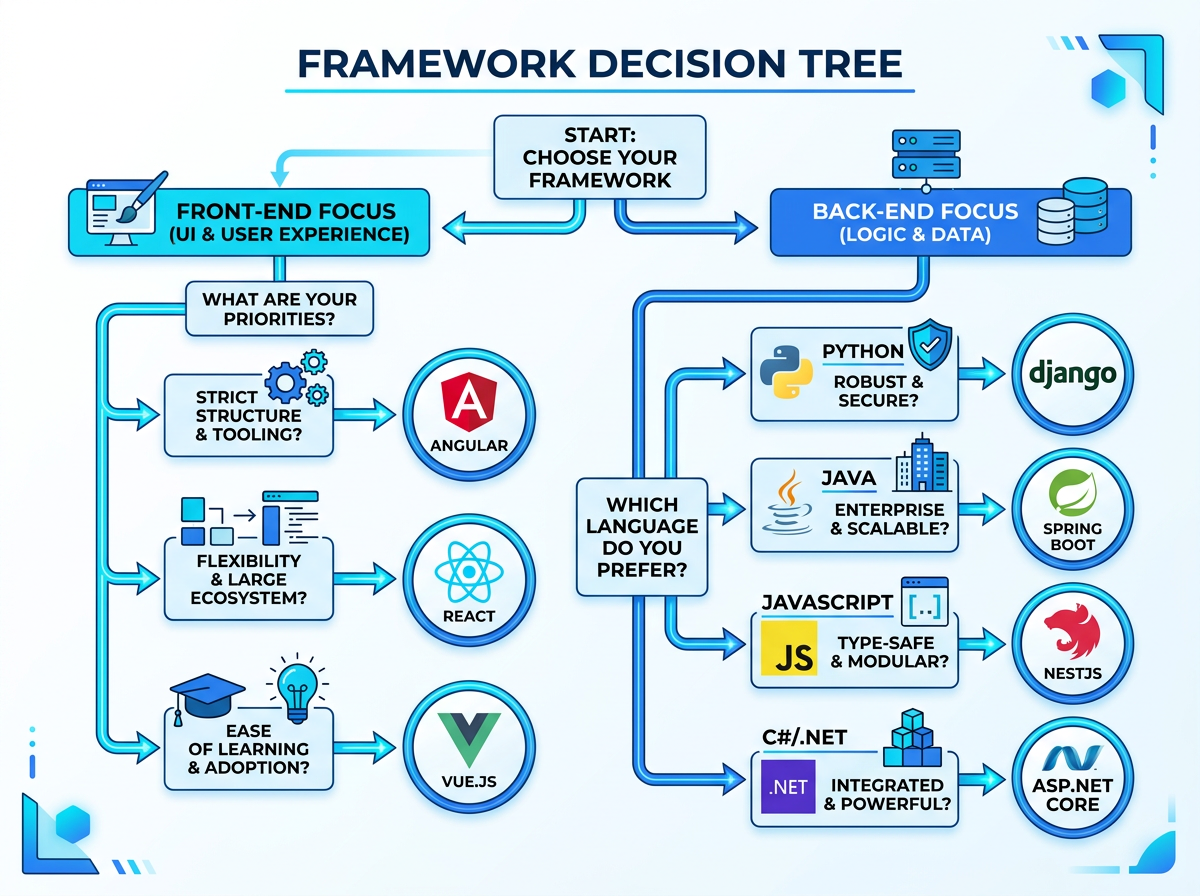
Choosing the Right Tool for Your Project
Selecting the appropriate framework depends on several factors:
Performance Requirements
If performance is critical and your content is mostly static, consider Gatsby or Astro. For dynamic content with performance needs, Next.js is the gold standard.
Team Experience
Teams new to React might start with Vite for simpler projects, while experienced teams can leverage the full power of Next.js or Remix.
SEO Needs
Any project requiring strong SEO should use a framework with server-side rendering capabilities like Next.js, Remix, or Gatsby.
Project Scale
Small to medium projects work well with Vite or Remix. Large-scale applications benefit from Next.js's comprehensive feature set.
The Future of React Frameworks
The React ecosystem continues evolving rapidly.
React Server Components, introduced in Next.js 13's App Router, represent a fundamental shift in how we build React applications.
This pattern separates server and client logic at the component level, enabling better performance and simpler data fetching.
Other trends shaping the future include:
- Edge Computing Frameworks increasingly support edge runtime deployment for reduced latency globally.
- Zero-Bundle-Size Components Server components that render on the server and send only HTML to clients, eliminating their JavaScript bundle cost.
- Progressive Enhancement Remix leads the charge in building applications that work without JavaScript, then enhance when available.
- AI Integration Frameworks are adding first-class support for streaming AI responses and real-time updates.

The React ecosystem offers powerful frameworks and libraries for every use case.
Next.js remains the safe, versatile choice for most projects, while Remix appeals to teams valuing web standards.
Gatsby and Astro excel at static and content-focused sites, and Vite provides unmatched developer experience for SPAs.
At BrandMen Studio, we evaluate each project's unique requirements to recommend the optimal React stack. Whether building a high-performance e-commerce site, content-rich blog, or complex web application, the modern React ecosystem provides battle-tested solutions.
The key is understanding your project's priorities around performance, SEO, developer experience, and scalability.
With this guide, you can make informed decisions that set your React projects up for success.

Published: April 16, 2026
Last updated: 2026-05-27